Welcome to the resources page. This is where I will give you the facts without flair and connect you with sources for information related to each blog post. Not everyone enjoys a blog, so I hope if that’s you, then you will enjoy this no nonsense page of learning.
“All we want are the facts ma’am.”
-SGT. JOE FRIDAY, DRAGNET (1951-1959)
WAKE UP AND SMELL THE COMPOST
(The no-nonsense edition)
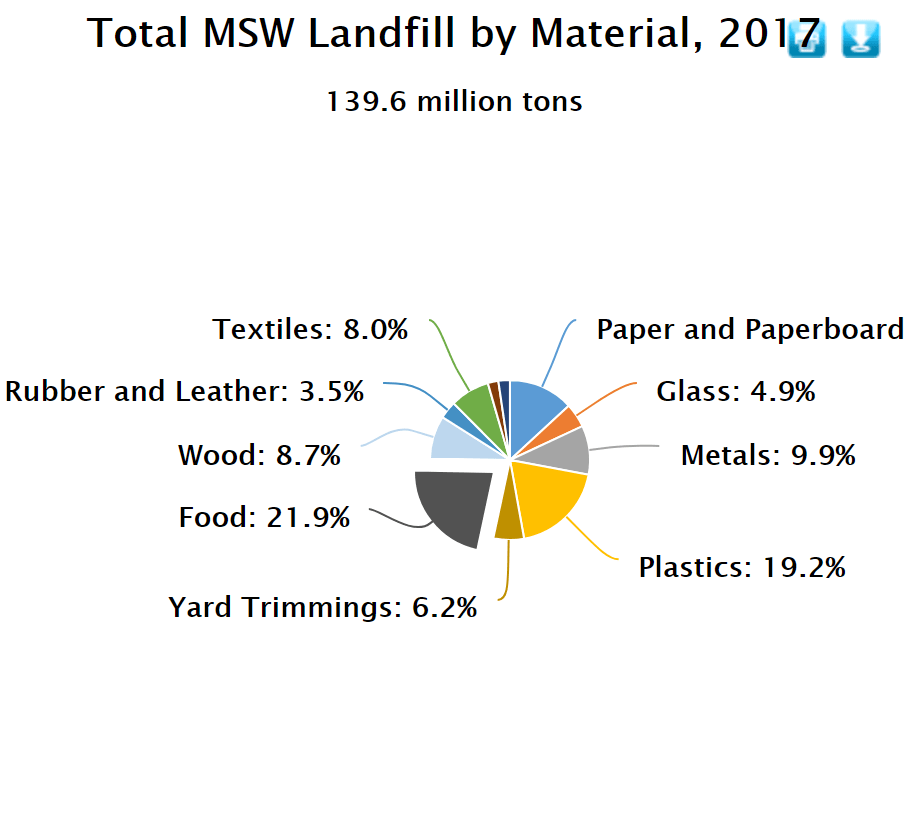
The EPA website offers a national overview of the facts and figures on materials, wastes, and recycling with graphics like this one.
I also found this article on the EPA website, Reducing the Impact of Wasted Food by Feeding the Soil and Composting. Another excellent source summarizing the need for the U.S. to fully support compost systems.
The New Phytologist Foundation published a study, Mechanisms of Plant-Soil Feedback: Interactions Among Biotic and Abiotic Drivers, by Jonathan A. Bennett and John Klironomos
“Plants can alter nutrient availability through nutrient depletion or changes in litter quality and nutrient cycling.”
Excerpt from study mentioned above.
The Natural Resources Defense Council published this article, Food to the Rescue: San Francisco Composting, in 2017 on San Francisco and the success of their composting program. It includes facts and figures for things such as, key success factors, equity impact, and the organizations involved.
The U.S. Public Interest Research Group released a report, Composting in America, in 2019. This is where I found information on the other states, like Vermont and New York, and cities that have started implementing composting programs. The report also addresses the global problems that composting can help us tackle and explains the specific benefits composting offers. I highly recommend reading this report if you still need some convincing or are looking for a good source to convince others.
The U.N. Sustainable Development Goals are all ideas for creating lasting positive change on a global scale. The Decade of Action is a push to accelerate the sustainable solutions and rally support for all levels of action, from youth to global organizations.
In 2014, Scientific American published an article that brought the soil crisis to light titled, Only 60 Years of Farming Left If Soil Degradation Continues. This information was gleaned from a forum marking World Soil Day with senior U.N. officials and leaders of the Food and Agriculture Organization.
The website for Waste360 provides information and educations on all things waste related, including organics and recycling. In 2018 they shared a report by the Commission for Environmental Cooperation on the state of organic waste management in North America, which covers how our current waste management systems contributes to our problems.
This report, Benefits of Compost and Anaerobic Digestate When Applied to Soil, was published by the International Solid Waste Association in 2020 and highlights the ways that compost restores and rehabilitates soil.
Here is some of that “cool stuff” I was referring to. Published in the Journal of Ecology, shared by the British Ecological Society, Mini-Review: Ecological Solution to Global Food Security takes a look at “below-ground connections underlying above ground food production”.
“Healthy soils that contain an active microbiome and food web are critical to sustainably produce food for a growing global human population. Many studies have focussed on the role of microbial species diversity and the presence of key functional groups as important controls on the many functions that a sustainable food system relies on.”
An excerpt from the summary provided.
Here are all the Richmond businesses and organizations mentioned in the article:
- Enrich Compost
- Compost RVA
- Terra Firma Compost Company *this company was not mentioned by name but was referred to as one of the compost companies I could find with a residential pickup option.
- Sustainable RVA: Zero Waste Initiative
- Soul N’ Vinegar
- Parlour RVA
- Field Station Farms
- Dunreath Farm
I have two resources for you to identify your local legislator:
- The Virginia Public Access Project’s website, vpap.org, is a great resource to have. On their front page you just enter your address and they will connect you with your legislators/representatives, where to vote, and upcoming elections. They also have an office on E. Cary St.
- Virginiageneralassembly.gov has a “Find my legislator” tool. You just enter your address or find yourself using the map.
I’ve included an opinion piece, Why We Don’t Vote With Our Wallets by Richard Conniff, published by The New York Times in 2017. I find it to be a good think piece for anyone who has not yet thought about the connection between where we spend our money and the systems we have in place that are increasingly falling out of favor.
 The Arena Perspective: Richmond, VA